- SynCausal™ · CAE for Therapeutics

Patient-Native Causal AI for Therapeutics Decisions

Drug R&D makes its biggest bets in discovery, with limited exposure to patient biology. Simulate in patient context before you build—clinical trials are costly, and failures come too late.

Technology

Test the Therapeutic Design Before the Clinic

Causal AI-led decision-making grounded in real patient biology.

Aerospace and automotive engineers do not commit to building a new engine, aircraft, or vehicle until simulation has tested its performance, structural integrity, and potential failure modes across realistic operating conditions. Drug developers still lack an equivalent platform for determining whether a target or mechanism will behave as intended across the tissues, cell states, and biological diversity of real patients before entering clinical trials. SynCausal™ is built to fill this gap.

A causal graph of biology turns patient context into testable intervention hypotheses

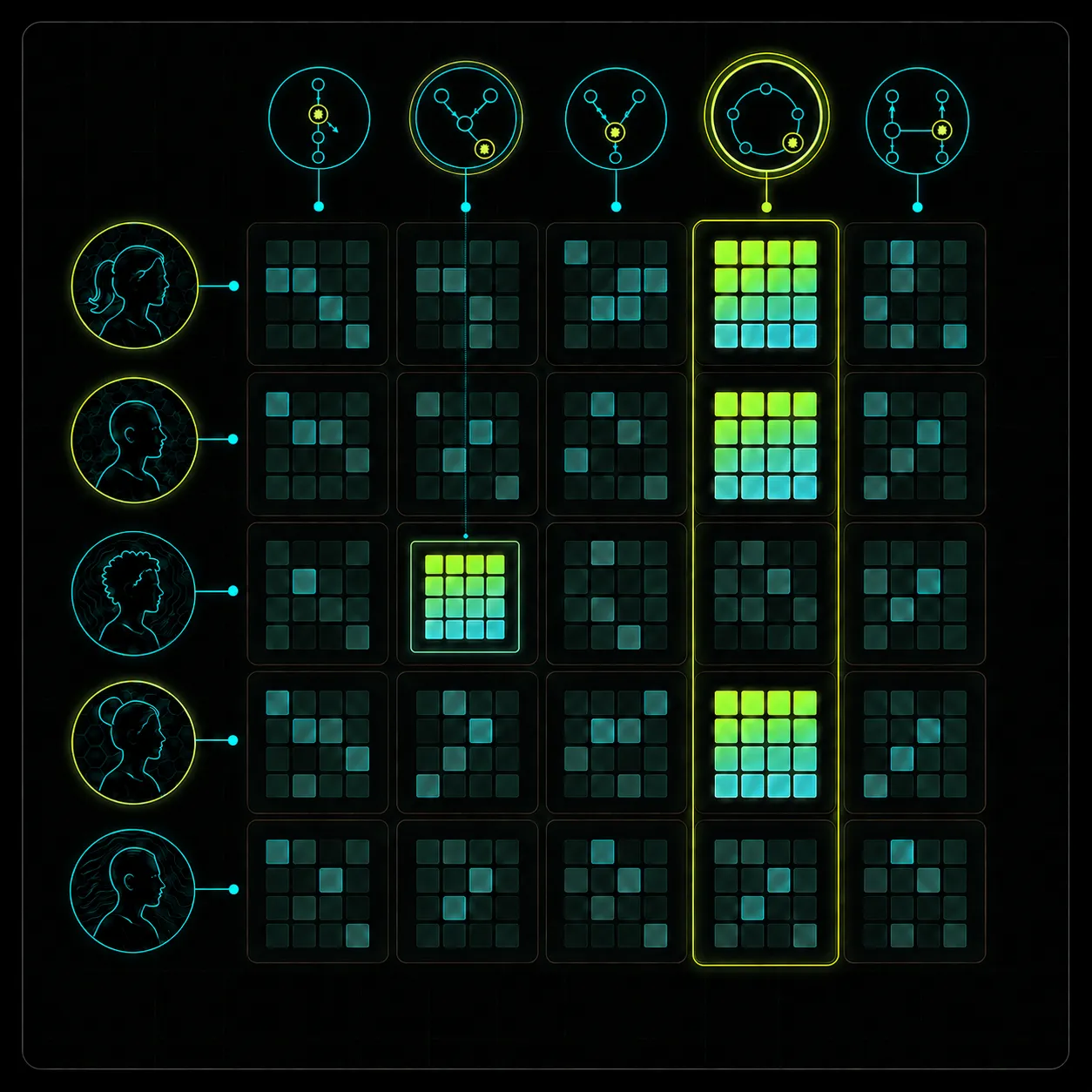
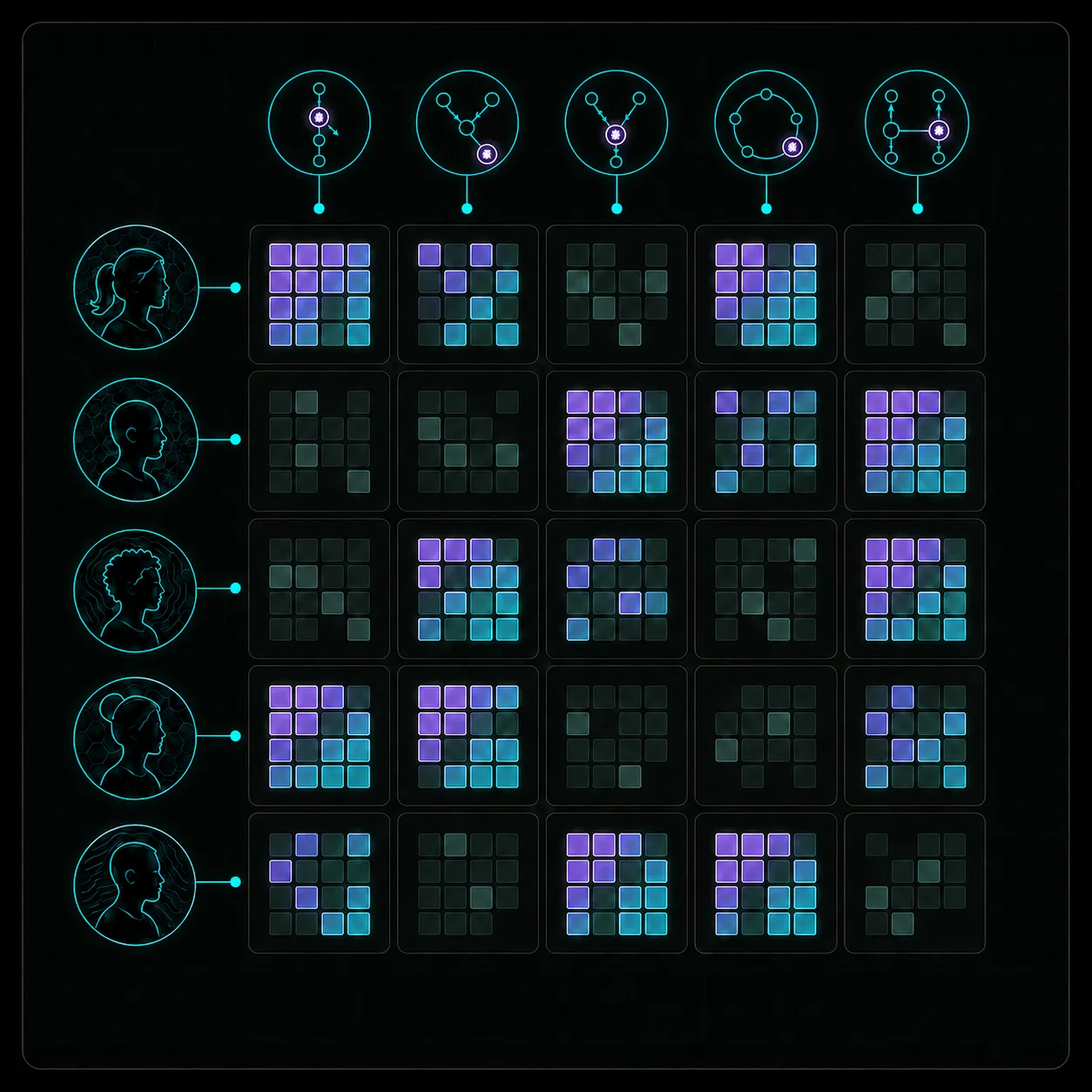
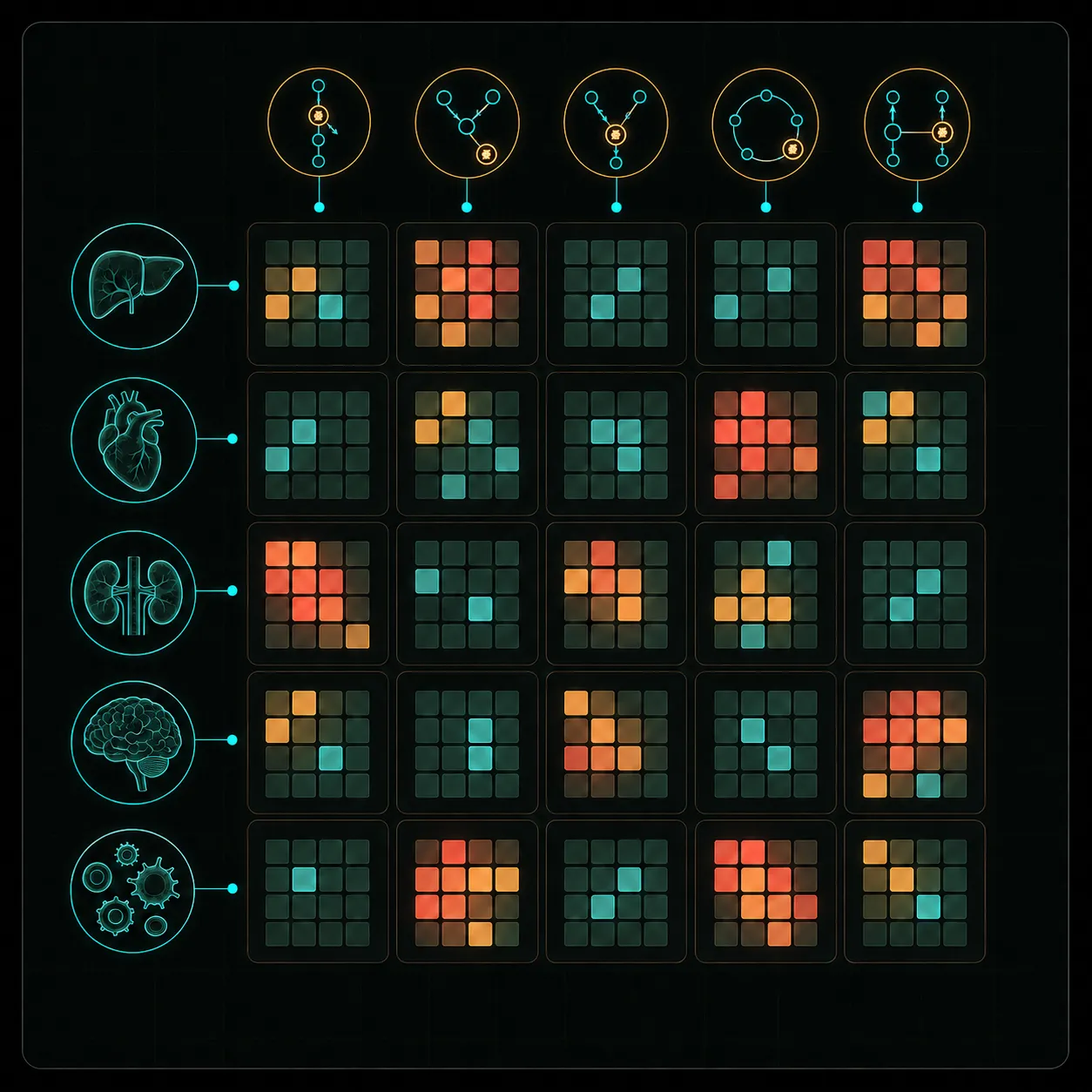
SynCausal™ represents biology through causal graphs that link upstream genes and pathways to downstream cell states and phenotypes, enabling intervention effects to be simulated, traced, and compared. It operates one level upstream of medicinal chemistry and modality engineering: determining which biological intervention is worth pursuing, why it may work, and in which patient contexts the hypothesis is most credible.

01

Causal Discovery

Discover causal relationships between genes from disease-, tissue-, and patient-conditioned single-cell RNA-seq data.

02

Causal Inference

Apply virtual target, gene, or pathway perturbations and propagate effects through the graph.

03

Explain & decide

Return response paths, mechanisms, subgroups, and liability signals at the per-patient level.

Applications

One causal engine. Three decision outputs.

SynCausal™ seeks to build a computational layer that represents disease in its native patient, cellular, and tissue context, then uses virtual biological interventions to discover and prioritize disease-driving targets, uncover novel mechanisms, and evaluate how those mechanisms may respond to therapeutic modulation.

01 · Target/MoA discovery & prioritization

Find interventions that matter in each patient context.

Compare interventions in disease-relevant patient contexts, then trace the response programs behind each hypothesis.

02 · Patient stratification

Find the contexts where response may differ.

Identify patients, cell types, and subtypes with distinct molecular responses, then derive mechanistically linked hypotheses.

• What’s Next

03 · Mechanistic toxicology

Surface patient toxicity earlier.

Screen different cellular contexts for modeled on-target and pathway-level mechanistic toxicity before selecting follow-up studies.

- Partnership & deployment

Validate one decision.
Deploy a system your teams can use across programs.

We propose to start with a focused pilot using Synlico’s data to evaluate value for your decision question and workflow. The intended end state is deployment: SynCausal™ operating within your controlled environment as an internal capability.

01

Pilot Evaluation

Establish technical and biological feasibility through a pilot of up to three months, using Synlico’s data and your provided decision question, biological context, and success criteria.

02

Focused Program

Apply SynCausal™ to one prioritized program, compare modeled hypotheses with follow-up evidence, and establish a repeatable workflow.

03

Enterprise Deployment

Install the validated system in a private or local environment so internal teams can evaluate programs on demand using their own data.

Deployment turns a project into durable internal infrastructure, enabling your teams to evaluate as many internal programs as needed on your premises, using your own data under your full control.

Current Partners

A resident/member of
Johnson & Johnson’s
global incubator networks, JLABS

A member of the
Google for Startups Cloud Program

Team

Built across patient biology, causal AI, and pharma execution.

News

Latest from Synlico.

Bring us the R&D decision you need to resolve.

Tell us the therapeutic area, biological context, and question your team is evaluating.

Scroll to Top

Discuss a program

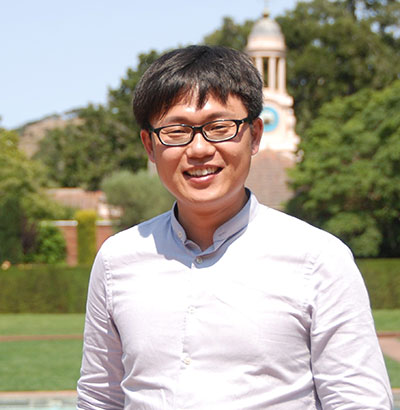
Jingwei Lu, Ph.D.

Dr. Jingwei Lu has proven to be a leading innovator in both R&D and business development. Before starting Synlico Inc, Dr. Lu was a key player in the R&D department with his prior employer, where he played a crucial role in developing the next generation of engineered T cell platforms. Dr. Lu has also led efforts on technology and market analysis and contribute to corporate external cooperation at the Strategic Alliances department there.

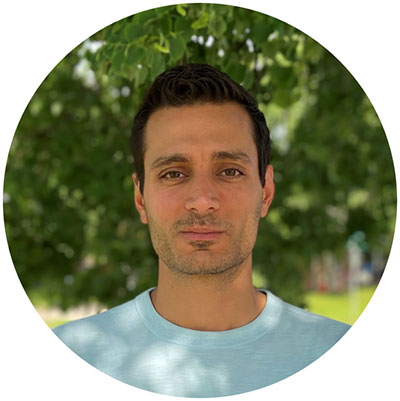
Soorena Izadifar

Mr. Soorena Izadifar has a strong BD transactions background in biotech and pharma with over 20 years of direct deal experience. During his decade tenure at Thermo Fisher Scientific, he held various externally focused positions including Innovation Partnerships, licensing, and Corp Dev, supporting diverse Business Units. Prior to that, he worked as Associate Director in R&D BD at Pfizer, supporting licensing and collaboration efforts.

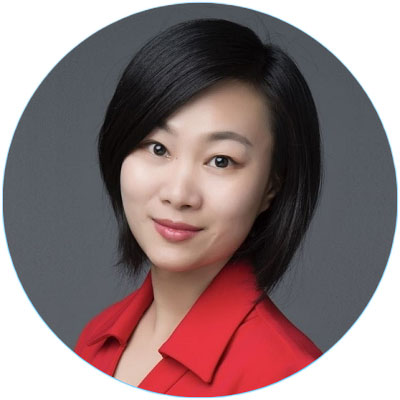
Shiling Guo, M.A.

With 15 years of financial services, due diligence, and operations management experience, Ms. Shiling Guo is a seasoned professional with a strong background in the industry. Prior to joining Synlico, Ms. Guo served as the Head of Retail Banking Customer Due Diligence at Standard Chartered Global Business Services Co., where she championed business migration projects and led the team to perform post-transaction due diligence investigations.

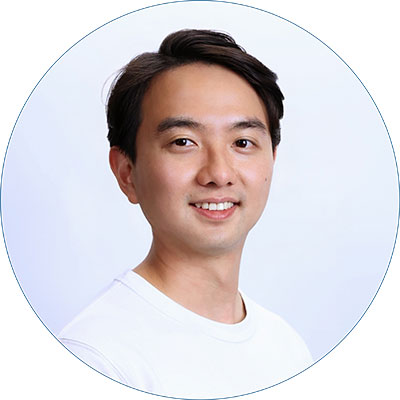
Amin Jaber, Ph.D.

Dr. Jaber specializes in causal discovery and inference. His expertise includes developing theoretical foundations and computational methods for identifying causal relationships and drawing conclusions about interventions from observational and experimental data.

Md Shamim Hussain, Ph.D.

Dr. Hussain specializes in graph representation learning and transformer architectures. His expertise includes modeling complex relationships in graph-structured data and developing methods that improve the efficiency and generalization of deep learning models.

Chun-Yin Huang, Ph.D.

Dr. Huang specializes in machine learning, with expertise in robust federated learning, data distillation, and data auditing. His work focuses on methods for improving model robustness and the effective use of training data.

Tunc Morova, Ph.D.

Dr. Morova specializes in bioinformatics, functional genomics, and scalable data pipelines. His expertise supports the curation, integration, and analysis of large-scale single-cell RNA sequencing datasets, making complex biological data accessible for computational research.

Aaron Wong, Ph.D.

Dr. Wong specializes in bioinformatics and single-cell transcriptomics. His expertise includes characterizing cell types and cellular states, analyzing cell-type-specific responses, and interpreting transcriptomic data in the context of human tissue biology.

Sarita Poonia, Ph.D.

Dr. Poonia specializes in cancer genomics and integrative multi-omics analysis. Her expertise spans transcriptomic and DNA methylation data, computational characterization of cellular populations, and the interpretation of complex cancer datasets.

Rahi Navelkar, M.S.

Ms. Navelkar specializes in large-scale genomic data curation, analysis, and workflow automation. Her expertise includes organizing and standardizing bulk and single-cell sequencing datasets to support consistent, efficient downstream analysis.